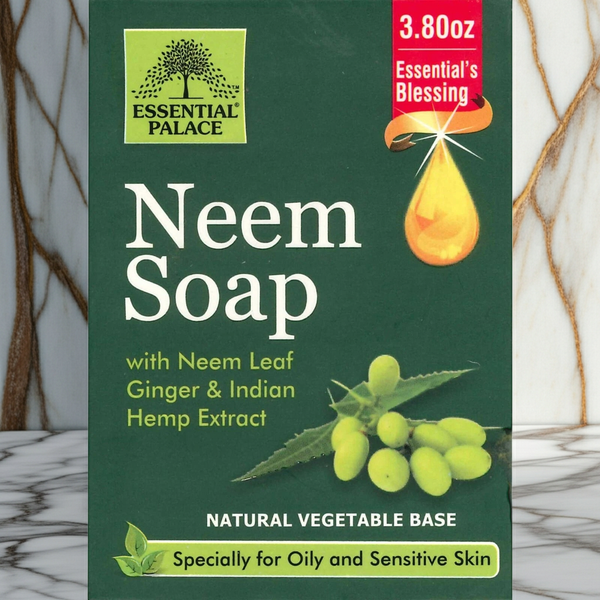
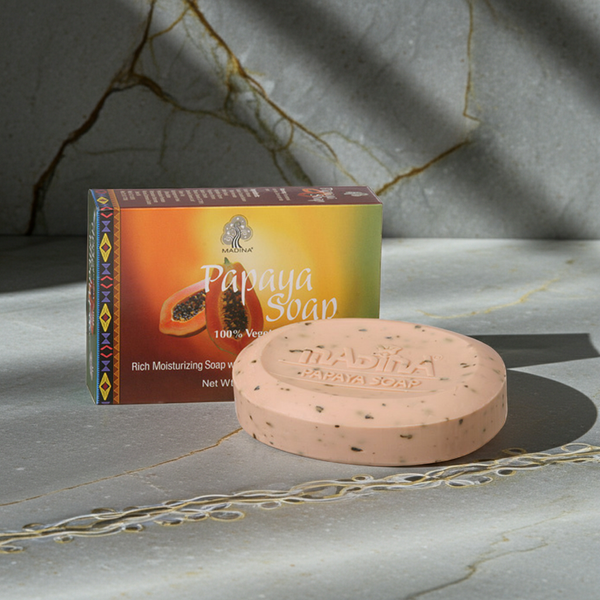
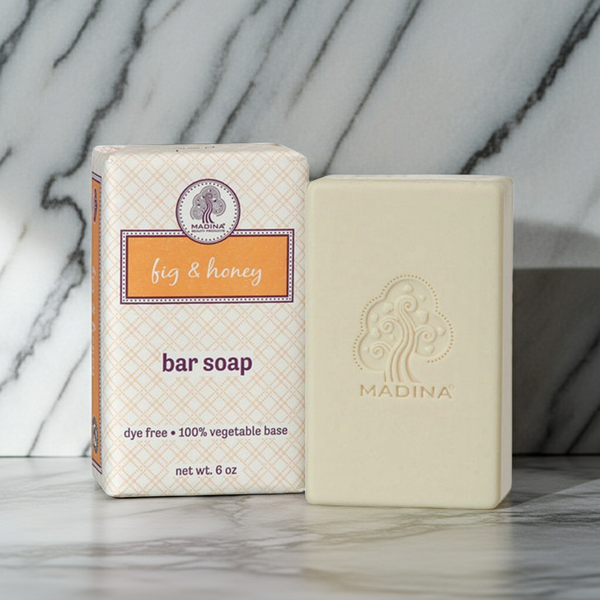
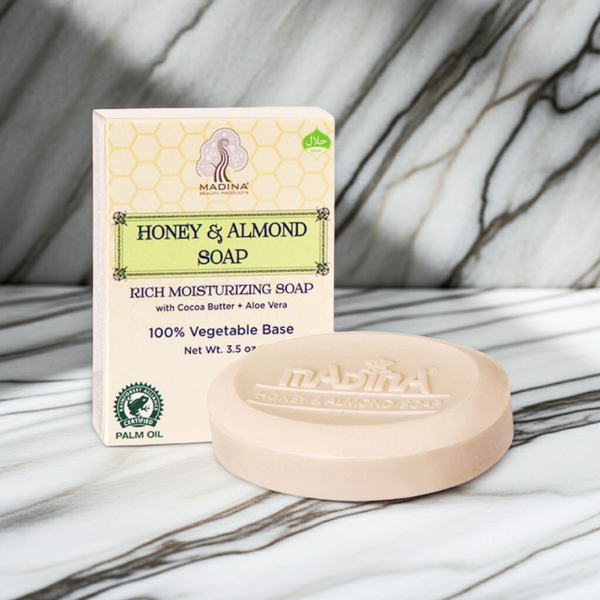
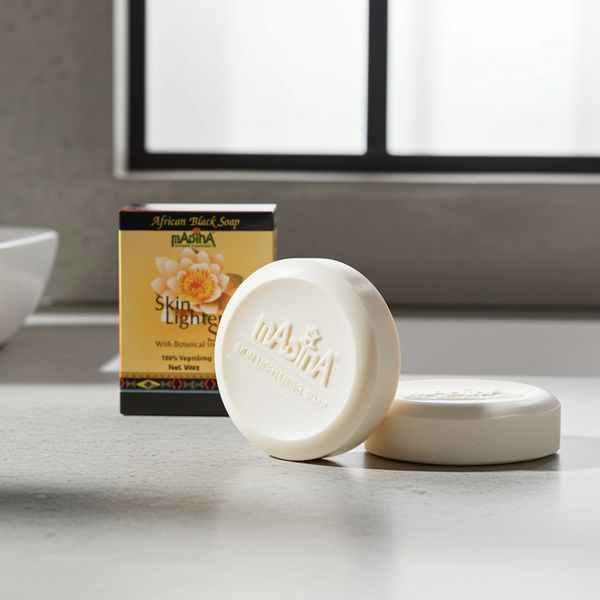
Our soap range covers handmade botanical bars, traditional African black soap, shea and coconut formulas, and specialty bars with clay, spice, or oatmeal. Most are cold-processed and softer than mass-produced soap, which changes how you store them more than how you use them.
Benefits of Handmade Soap
Handmade bars keep the glycerin that industrial soap-making usually strips out and sells separately, which is why they tend to feel less tight on the skin afterwards. Ingredient lists are also short enough to read, so if a particular oil or fragrance does not agree with you, it is easy to avoid. The trade-off is that a softer bar dissolves faster if you leave it sitting in water.
How to Choose a Soap
Match the bar to your skin rather than to the scent. For dry or sensitive skin, plain shea, oatmeal, and coconut bars are the gentlest starting point. For oily skin or a deeper clean, black soap and clay bars work harder. Strongly fragranced and exfoliating bars are best kept to the body rather than the face. To keep a scent consistent through your routine, our body washes and body lotions overlap with many of the same blends.
Popular Types
Gentle & Everyday
Shea butter, oatmeal, and coconut bars — mild enough for daily use on most skin.
Traditional & Specialty
African black soap, clay bars, and spice blends for a deeper clean or a specific routine.
How to Use and Store
Lather in your hands or on a cloth rather than rubbing the bar directly on skin, which uses less of it. Between washes, keep the bar on a draining dish away from the direct shower stream — standing water is what turns a handmade bar to mush, and a good dish roughly doubles its life. Patch test any new bar if your skin is sensitive, keep soap out of the eyes, and stop use if a bar causes irritation.