Savons

Nettoyez et prenez soin de votre peau naturellement avec notre large gamme de savons naturels, y compris des pains de savon artisanaux, des savons noirs africains, des mélanges botaniques et des formules artisanales. Nos savons faits à la main sont enrichis d'ingrédients bénéfiques pour la peau tels que le beurre de karité, l'huile de coco et des extraits de plantes pour laisser la peau propre, douce et nourrie. Des essentiels quotidiens aux pains de savon spéciaux de luxe, notre gamme de savons convient à tous les types de peau. Explorez nos savons aux herbes, gels douche et lotions corporelles pour une routine de nettoyage naturelle complète, ou parcourez notre collection de soins de la peau pour des traitements ciblés.

167 products

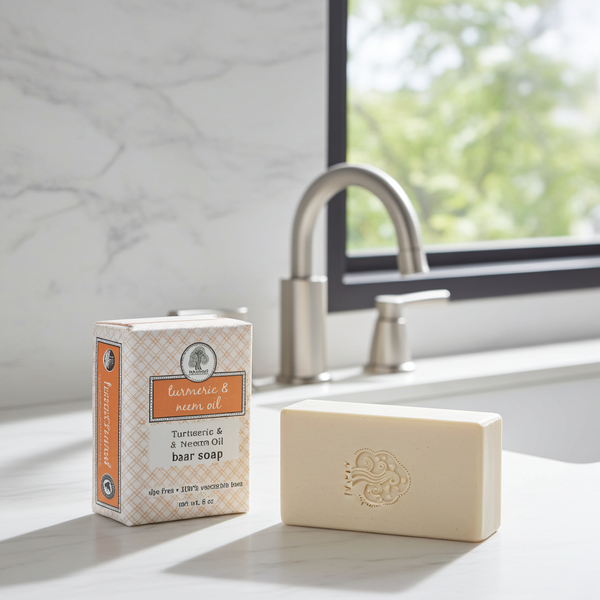
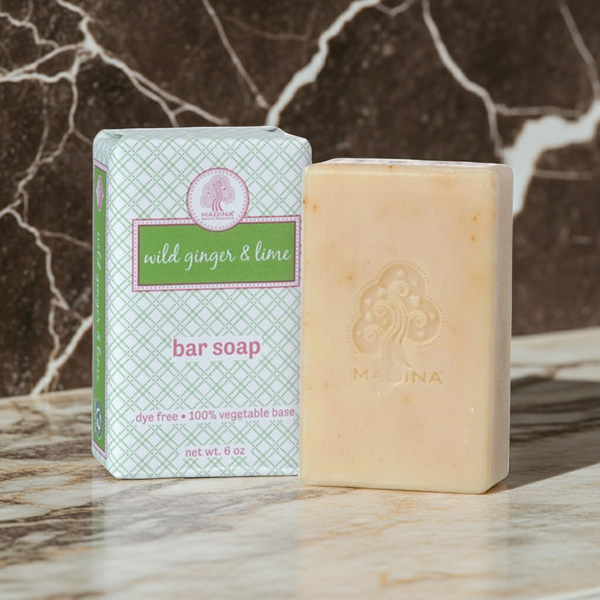
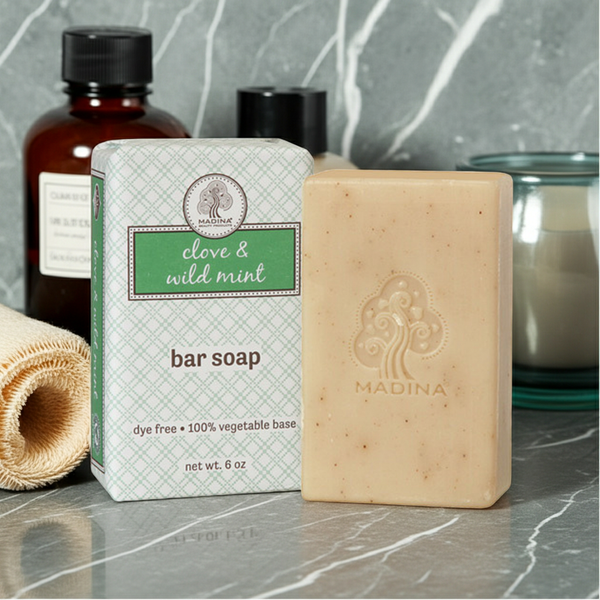
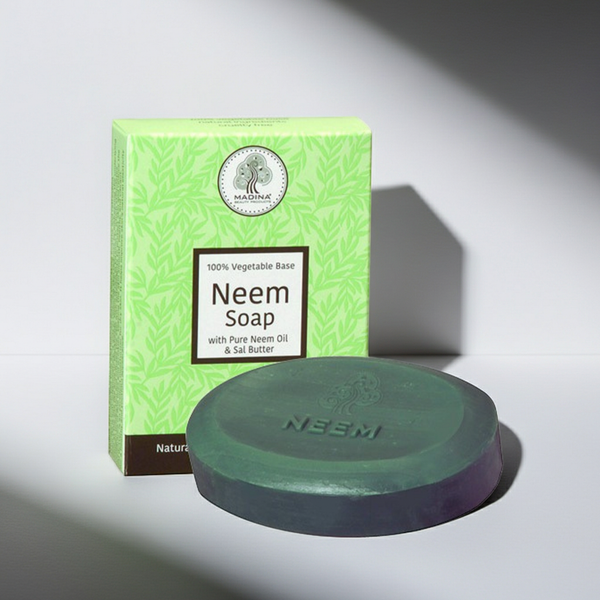
Soaps collection banner featuring handmade soap bars and bath essentials, for skincare, bathing, and self-care rituals.

167 products

Load more

Page 9 sur 11

Pourquoi choisir notre Savons

Our soap range covers handmade botanical bars, traditional African black soap, shea and coconut formulas, and specialty bars with clay, spice, or oatmeal. Most are cold-processed and softer than mass-produced soap, which changes how you store them more than how you use them.

Benefits of Handmade Soap

Handmade bars keep the glycerin that industrial soap-making usually strips out and sells separately, which is why they tend to feel less tight on the skin afterwards. Ingredient lists are also short enough to read, so if a particular oil or fragrance does not agree with you, it is easy to avoid. The trade-off is that a softer bar dissolves faster if you leave it sitting in water.

How to Choose a Soap

Match the bar to your skin rather than to the scent. For dry or sensitive skin, plain shea, oatmeal, and coconut bars are the gentlest starting point. For oily skin or a deeper clean, black soap and clay bars work harder. Strongly fragranced and exfoliating bars are best kept to the body rather than the face. To keep a scent consistent through your routine, our body washes and body lotions overlap with many of the same blends.

Popular Types

Gentle & Everyday

Shea butter, oatmeal, and coconut bars — mild enough for daily use on most skin.

Traditional & Specialty

African black soap, clay bars, and spice blends for a deeper clean or a specific routine.

How to Use and Store

Lather in your hands or on a cloth rather than rubbing the bar directly on skin, which uses less of it. Between washes, keep the bar on a draining dish away from the direct shower stream — standing water is what turns a handmade bar to mush, and a good dish roughly doubles its life. Patch test any new bar if your skin is sensitive, keep soap out of the eyes, and stop use if a bar causes irritation.

Avantages clés de Savons

Handmade and Botanical

Shea, coconut, and herbal bars alongside traditional African black soap.

Everyday to Specialty

Plain daily bars through to clay, spice, and exfoliating formulas.

Complete the Routine

Body washes and lotions to match, if you want the same scent throughout.
Shop body lotion

Keeps Its Natural Glycerin

Handmade bars keep the glycerin that mass-produced soap strips out, so they tend to feel less tight or drying on skin afterward.

Questions fréquemment posées

What is African black soap?

A traditional West African soap made from plantain skins, cocoa pods, and palm or shea oils. It is darker, softer, and more textured than a standard bar, and is traditionally used as an everyday cleanser.

Will handmade soap dry out my skin?

It depends on the bar. Ones with a high shea or coconut oil content tend to feel more conditioning, while heavily fragranced or clay bars can feel more stripping on dry skin. If your skin is sensitive, start with a plain shea or oatmeal bar.

How do I make a bar of soap last longer?

Keep it out of standing water. A draining dish and a spot away from the direct shower stream roughly doubles the life of a handmade bar, which is softer than mass-produced soap.

Are these soaps suitable for the face?

Some are, but facial skin is more sensitive than body skin. Patch test first, avoid strongly fragranced or exfoliating bars on the face, and stop use if a soap causes irritation.